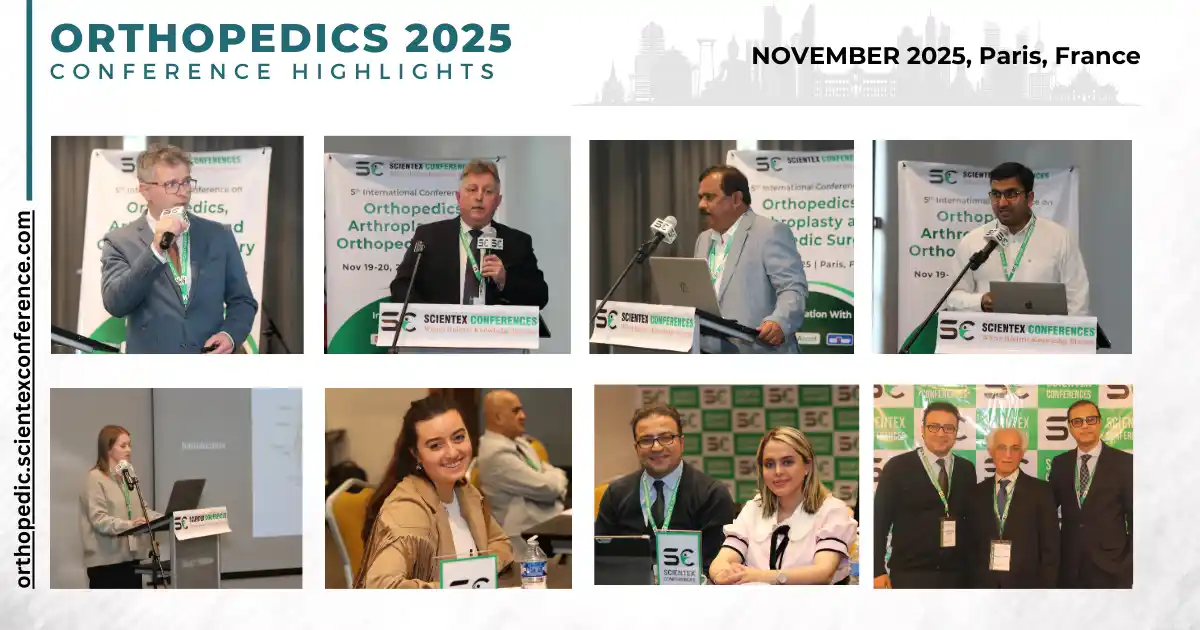
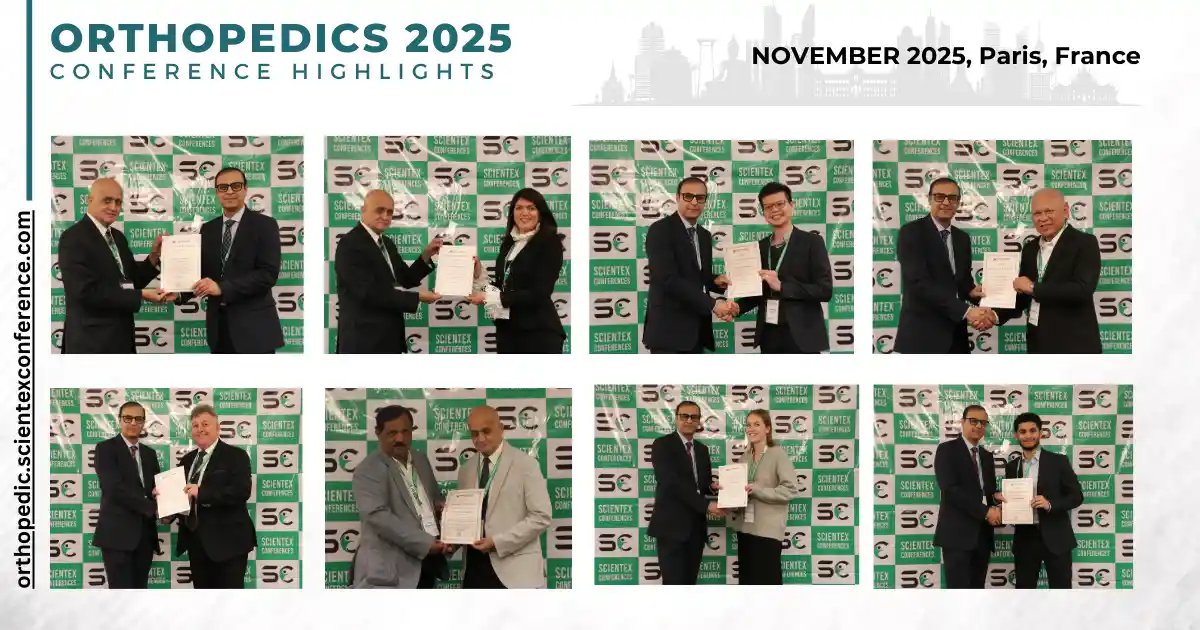
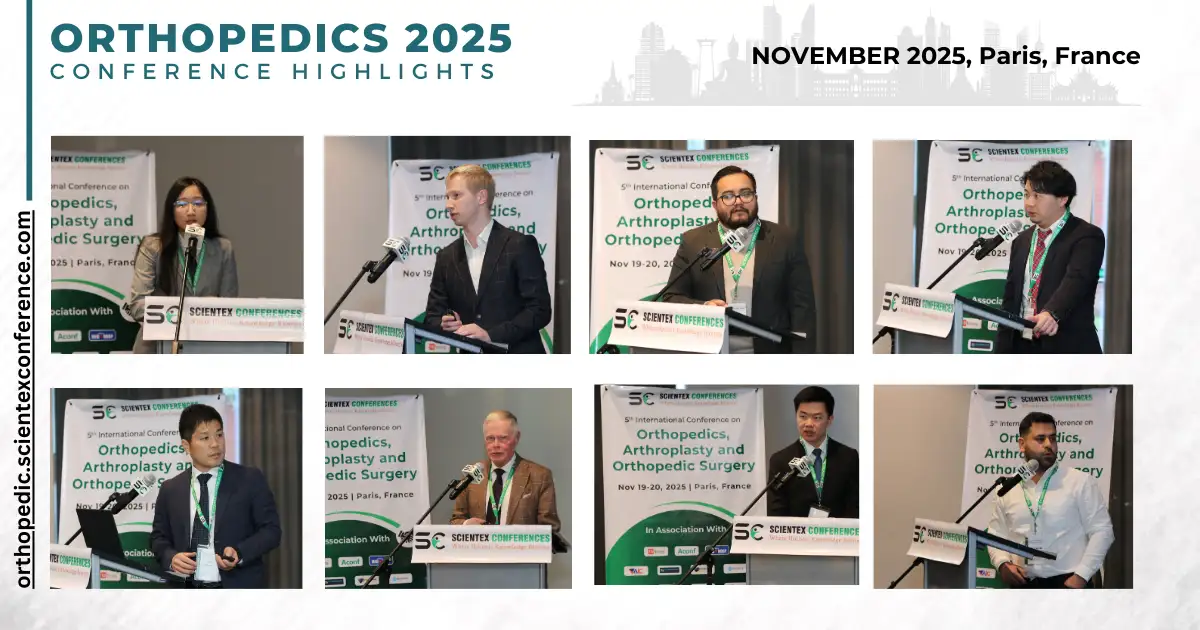
Welcome to the Orthopedic 2026 Conference, taking place in Dubai, UAE.
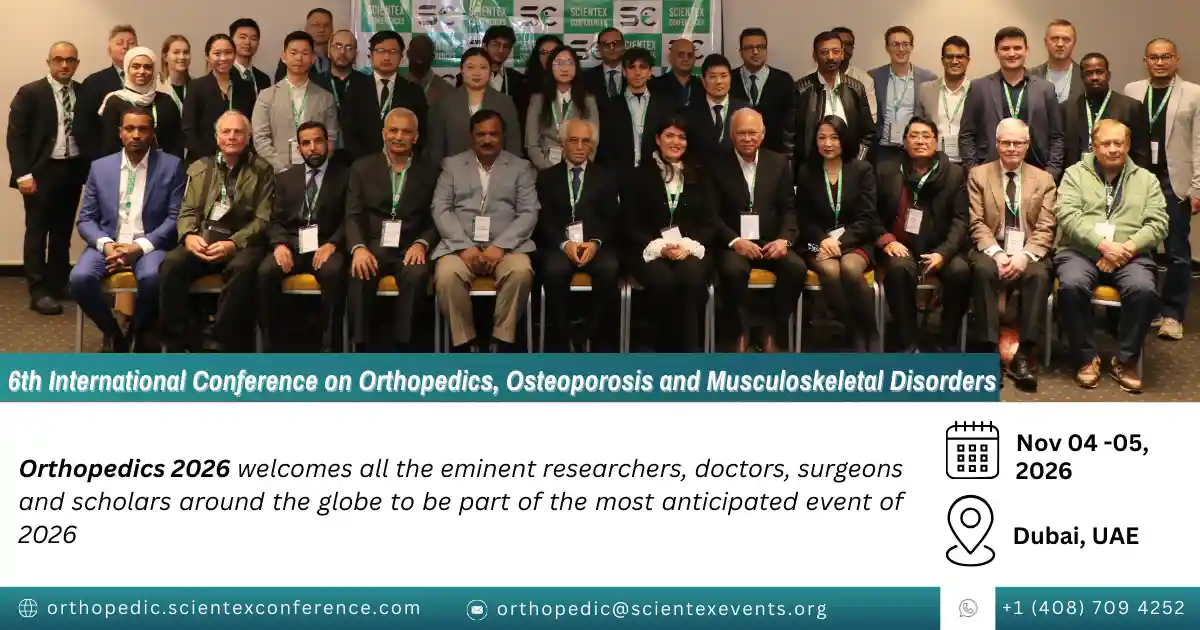
We are excited to invite you to the 6th International Conference on Orthopedics, Osteoporosis and Musculoskeletal Disorders, taking place on November 04-05, 2026, in Dubai, UAE. This premier global event will focus on Orthopedics, Osteoporosis and Musculoskeletal Disorders, centered around the theme “Emerging Technological Innovations in Orthopedics, Osteoporosis, and Musculoskeletal Disorders”.
Join us for an inspiring two-day program featuring keynote speakers, panel discussions, and networking opportunities with leading experts and researchers from around the globe. Attendees will have the chance to engage in 16 scientific sessions in various relevant categories that showcase the latest advancements in technology for the management of bone and joint disorders.
In addition to in-person participation, we are pleased to offer a virtual conference option on November 11-12, 2026, for those unable to attend in person. This ensures that all interested participants can engage with the content and discussions, regardless of location.
Our mission is to advance the field of orthopedics through the dissemination of cutting-edge research, fostering professional collaboration, and enhancing clinical, surgical and non-surgical practices to improve orthopedic outcomes globally.
On behalf of our conference committee, we would be honored to have you join us for this impactful event in to Dubai, UAE!
Regards with Conference Committe Members,
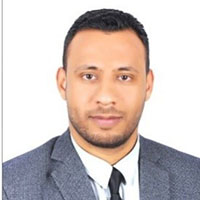
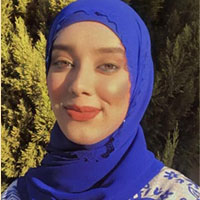
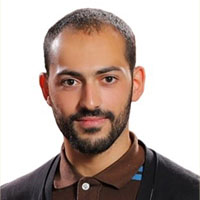
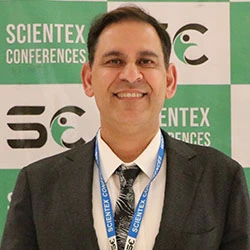
Dr. Haroon Majeed, MBBS; MRCS; MSc; FEBOT; FRCS (Tr&Orth)
Consultant Orthopaedic Surgeon
Honorary Senior Clinical Lecturer
Department of Trauma and Orthopaedic Surgery
Manchester University Foundation NHS Trust
United Kingdom
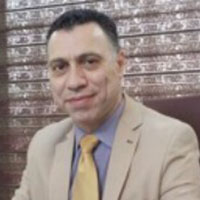
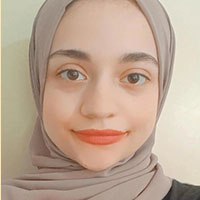
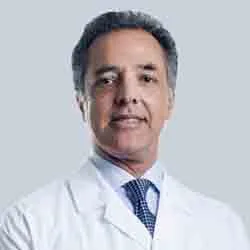
Deepak V. Patel, MD, FAAOS, MSc Orth. (U.K.),
MS Orth., FCPS Orth., D. Orth. Professor
Clinical Orthopaedic Surgery,
Seton Hall University,
St. Joseph’s Hospital,
USA
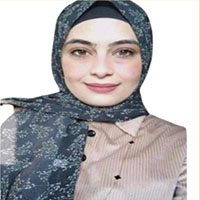
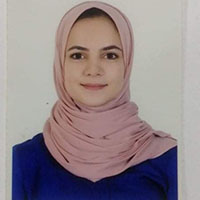
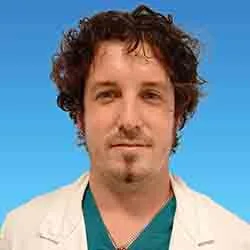
Juhani V Partanen,
Senior lecturer, Medical Doctor,
Helsinki University Central Hospital,
Jorvi Hospital,
Finland
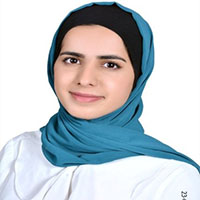
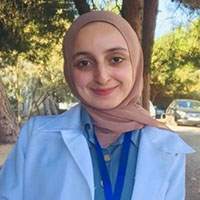
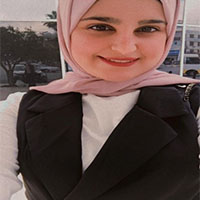
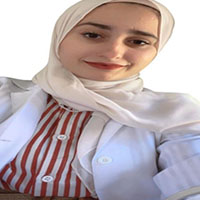
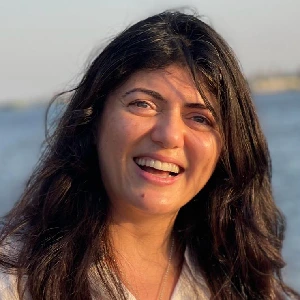
Dina Soliman, MD FAAOM
Practicing pain management physician,
AAOM Section Chief, Europe and Africa,
Active -United States (MD/DO or similar license)
FAAOM, IROM-C Certified, PCA Designee,
Egypt
Aims and Scope of Orthopedics 2026
The Orthopedic 2026 conference is dedicated to providing a platform for experts and professionals to share knowledge and experiences in Orthopedics, Osteoporosis, and Musculoskeletal Disorders. Focusing on scientific advancements and technological innovations, participants will have the chance to explore the latest research findings and cutting-edge treatment approaches.
The event will feature keynote speeches, panel discussions, and interactive workshops, offering attendees meaningful opportunities to engage in discussions and gain valuable insights into the field. Additionally, the conference will foster networking opportunities, enabling participants to establish collaborations and build professional relationships with leading orthopedic experts from around the globe.
Key highlights of the conference include special sessions on Orthopedic Surgery, Surgical and Non-Surgical Procedures, Arthroscopy, Physiotherapy, Osteoporosis and Arthritis, Arthroplasty, Oncology, Total Hip Arthroplasty, Total Knee Replacement, Musculoskeletal Disorders and Clinical Trials, Foot and Ankle Surgery, Spine Disorders, Physical Medicine and Rehabilitation, Sports Science and Medicine, and COVID-19-related advancements in Orthopedics, Osteoporosis, and Musculoskeletal Disorders.
By attending Orthopedic 2026, researchers and scholars will stay informed about groundbreaking developments in their fields while contributing to the progress of medical science. Don’t miss this highly anticipated event, scheduled for November 04-05, 2026, in Dubai, UAE. Join us in advancing patient care and improving the quality of life for individuals living with orthopedic, osteoporosis, and musculoskeletal disorders.
Dubai is a city and emirate in the United Arab Emirates, which is the most populous city in the United Arab Emirates (UAE) and the capital of the Emirate of Dubai. We proudly present the "6th International Conference on Orthopedics, Osteoporosis and Musculoskeletal Disorders” Scheduled to be held on November 04-05, 2026 at Dubai, UAE.
Audience Profile
- Orthopedic Physicians
- Osteoporosis Health Professional
- Orthopedic Research Fellows
- Orthopedic Consultant
- Orthopedic Faculty
- Orthopedic Health Professional
- Orthopedic Directors and Chair Persons
- Physiotherapist
- Health Care Professionals in Orthopedics and Osteoporosis
- Medical Students
- Orthopedic Medical Colleges, Universities
- Devices Designers
- Industrial Professionals
- Physical Therapists
- Business Entrepreneurs
- Training Institutes
- Software making associations
- Manufacturing Medical Devices Companies
- Orthopedic and Osteoporosis Research Institutes
- Orthopedic and Osteoporosis Societies & Associations
Orthopedic 2026 Highlights
Orthopedic and Orthopedic Surgery, Osteoporosis, and Orthopedic Trauma encompass topics such as prevention and rehabilitation, hip and knee arthroplasty and reconstruction surgery, pediatric orthopedics, infections, foot and ankle surgery, limb reconstruction surgery, recent advances in biomechanics, and orthopedic sports medicine and surgeries. Other areas of focus include the orthopedic and muscular systems: current research, medical devices, sports science, sports medicine, physiotherapy, general and pediatric orthopedics, biomechanics and diagnostic techniques, arthritis (types, diagnosis, and treatment), arthroplasty (types, diagnosis, and treatment), physical medicine and rehabilitation, musculoskeletal and spine disorders, physiotherapy in musculoskeletal disorders, hip and knee reconstruction, osteoporosis (treatment and methods), osteoarthritis, and rheumatoid arthritis. Orthopedic conference collaborated with The Journal of Orthopedic Education, International Journal of Disabilities Sports and Health Sciences (IJDSHS), Journal of Orthopedic Surgery , also in final phase of collaborating with other Interanion Orthopedic Journals, Orthopedic Associations, Orthopedic Labs, Orthopedic Implant companies, Orthopedic Societies and many more.
Related conference gathering: Orthopedic surgery conference | Orthopedic Summit | Orthopedic gathering | Orthopedic meeting | Orthopedic conference | Orthopedic 2026 | Orthopedic conference Dubai | Orthopedic congress | Pediatric orthopedic congress | Annual orthopedic conference | Orthopedic yearly gathering | World orthopedic conference | Global conference of orthopedic surgery
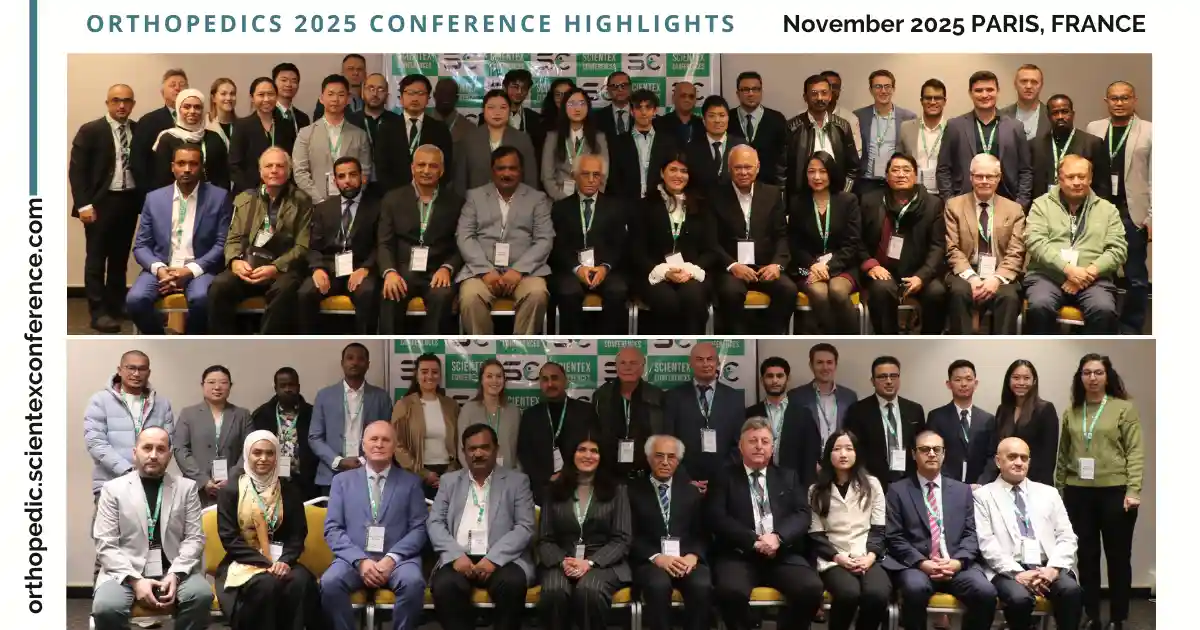
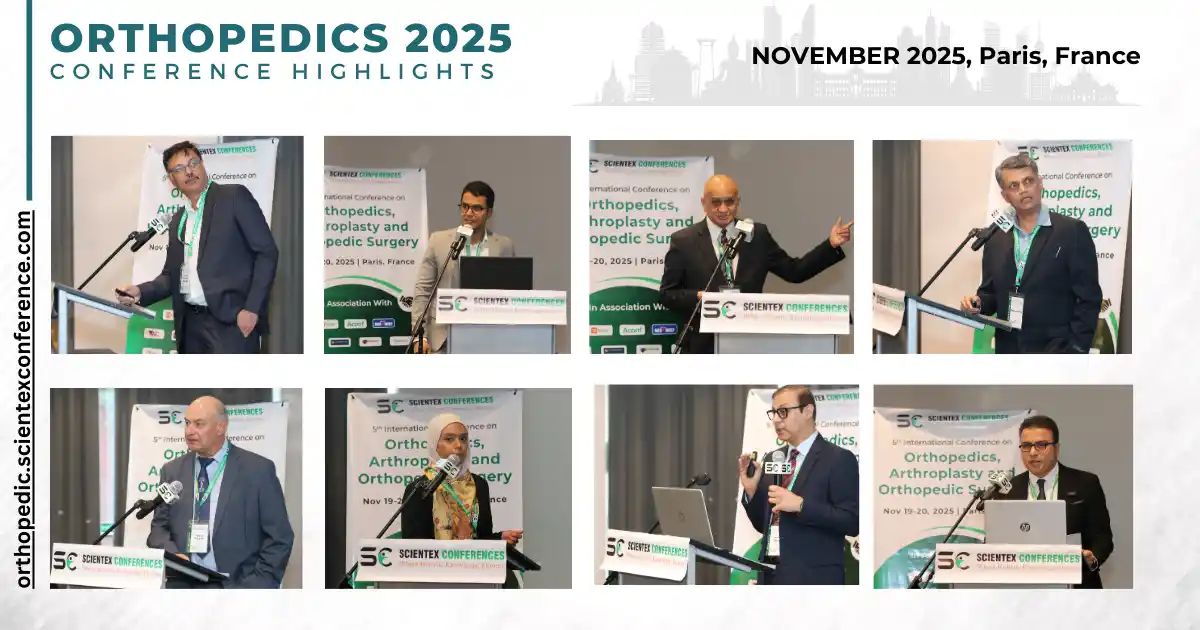
Past Orthopedic Conference Attendees
- Haroon Majeed, Manchester University Foundation NHS Trust, UK
- Dina Soliman, American Academy / Association of Orthopedic Medicine « AAOM », Egypt
- Hamidreza Zafari, Tehran University of Medical Sciences, Iran
- Juhani V. Partanen, Helsinki University Hospital, Finland
- Faiez Iqbal, Medway Maritime Hospital, UK
- Liannette K Padilla Martinez, Centro Ortopédico del Norte, Puerto Rico
- Oscar Loyola Luna, Hospital Ángeles Pedregal, Mexico
- Prashanth D’sa, University Hospital Sussex NHS Foundation Trust, UK
- Wong, Tsz Lok Michael, Queen Elizabeth Hospital, Hong Kong
- Sergei Bantser, Vreden National Medical Research Institute of the Traumatology and Orthopedics, Russian Federation
- Alexander Shchurovsky, Lviv Cancer Center, Ukraine
- Masanobu Ogasawara, Kumamoto Orthopaedic Hospital, Japan
- Sanjeev Chaudhary, Chaudhary Hospital, India
- Ena Topcic, University Clinical Centre Tuzla, Bosnia and Herzegovina
- Pedro Rafael Reis Coelho, Instituto Dr. José Frota (IJF), Brazil
- Dr. Mahaveer Patil, Vardhaman Ortho Care & Wellness Centre, India
- Marek Peml, Nemocnice České Budějovice a.s., Czech Republic
- Dalal Alkhudair, Al-Amiri Hospital, Kuwait
- Deepak V. Patel, St. Joseph’s Hospital, USA
- Ananth Krishnan Narayanan, NMC hospital, Oman
- Guilherme Trigueiro Alarcon, Sociedade Brasileira de Ortopedia e Traumatologia (SBOT), Brazil
- Chan Khin, University Hospitals Sussex NHS Foundation Trust, UK
- Olive Kyaw, University Hospitals Sussex NHS Foundation Trust, UK
- Rene Catan, The Knee Arthritis and Orthopedic Institute, Philippines
- Francisco Robson Queiroz Rego, Federal University of Pernambuco (UFPE), Brazil
- Konstantinos S. Intzoglou, Metropolitan Hospital, Greece
- Hana Sabah Rashid, Surrey and Sussex NHS trust – East Surrey Hospital, UK
- Mamady Doukouré, Gamal Abdel Nasser University of Conakry, Republic of Guinea
- Toru Takahashi, Keiyu Orthopedic Hospital, Japan
- Amir Mohsen Khorrami, Iran University of Medical Sciences, Iran
- Artur Gareev, Deputy Director for Science and Innovation of JSC NIIgrafit, Russian Federation
- Fay Arran AlOtaibi, King Abdulaziz Medical City, KSA
- Ahmed Alhussain, King Abdulaziz Medical City, KSA
- Hannah Foord, University Hospital of Wales, UK
- Deded Yudha Pranatha, RS Awal Bros Hospital Group, Indonesia
- Giglietto Pisano, Bethesda Health Care, Australia
- Golnaz Kazeranian, Iran University of Medical Sciences, Iran
- Mohamed Mahmoud, Trust Grade Registrar at Dorset County Hospital, UK
- Vadim Narimanovich Rashidov, Sechenov University, Russian Federation
- Anabel Sciriha, Univerisity of Malta, Malta
- Mohamed Elgendy, University Hospitals Birmingham, UK
- Aashish Yadav, Madhubani Medical College and Hospital, India, Nepal
- Aamir Shahzad, Tameside & Glossop Integrated Care NHS Foundation Trust, UK
- Ronaldi Goncalves dos Santos, Federal University of Mato Grosso, Brazil
- Amro Ghoraba, East Kent Hospitals University NHS Trust, UK
- Melina Pinheiro Conscetta, Faculty of Medicine of Jundiaí, Brazil
- Renato Lucindo Bolelli de Oliveira, Santa Casa Guaçuí Hospital; Federal University of Espirito Santo, Brazil
- Amitkumar Premji Bhanushali, Queen’s Medical Centre, UK
- Aquiles S. Martinez H, Shenandoah University, USA
- Muhammad Tayyab, Bradford Teaching Hospitals NHS Foundation Trust, UK
- Caio Alexandre Zanoni, Santa Casa de Campo Grande, Brazil
- Prashant Awasthi, East Kent Hospitals NHS Foundation Trust, UK
- Sayed Sultan Emad, Kettering General Hospital, UK
- Amanuel Kefyalew Assefa, University Hospitals of Leicester, UK
- Bhavna Gami, Luton and Dunstable Hospital, UK
- Ishmita Paul, The Hillingdon Hospital NHS Foundation Trust, UK
- Siddhartha Murhekar, Medway NHS Foundation Trust, UK
- Abdulkader Rahmo, SMSbiotech, USA
- Doaa A Al Saleh, King Fahd Military Medical Complex, KSA
Scientific Highlights
· Orthopedic Surgery
Orthopedic surgery is a medical specialty focused on diagnosing, treating, and preventing conditions and diseases that affect the musculoskeletal system, which includes bones, joints, ligaments, tendons, muscles, and nerves. The field encompasses a wide range of treatments, from conservative management such as physical therapy and medications to surgical interventions like joint replacement, arthroscopy, and fracture repair. Orthopedic surgeons use a variety of techniques to restore function and relieve pain for patients experiencing musculoskeletal issues, ensuring mobility and improving quality of life.
Key Topics and Highlights:
- Minimally Invasive Surgery
- Joint Replacement Techniques
- Fracture Management
- Orthopedic Innovations
- Rehabilitation and Recovery
Summary:
The Orthopedic Surgery session at Orthopedic 2025 will focus on advancements in joint replacements, fracture management, and minimally invasive surgical techniques. Key topics include the use of robotic-assisted surgery, 3D-printed implants, and effective post-surgical rehabilitation strategies for optimal recovery and functionality.
· Orthopedics and Sports medicine
Orthopedics and Sports Medicine focuses on the prevention, diagnosis, and treatment of musculoskeletal injuries and conditions, including those related to sports activities. This field involves both surgical and non-surgical procedures to treat joint, bone, muscle, and ligament issues, with the goal of improving movement, relieving pain, and ensuring a return to full activity.
Key Topics and Highlights:
- Surgical Interventions for Joint Reconstruction and Ligament Repair
- Non-Surgical Treatments including Physical Therapy, Bracing, and Injections
- Sports-Related Injuries like ACL Tears, Rotator Cuff Injuries, and Fractures
- Advanced Rehabilitation Techniques for Recovery and Injury Prevention
- Role of Emerging Technologies like Regenerative Medicine in Sports Medicine
Summary:
This session will delve into both surgical and non-surgical treatment options in Orthopedics and Sports Medicine. Participants will explore the latest approaches for joint reconstruction, ligament repairs, and sports-related injury management. Key topics include advanced surgical techniques, effective non-surgical treatments, cutting-edge rehabilitation methods, and emerging technologies such as regenerative medicine. This session will provide valuable insights into optimizing recovery, improving patient outcomes, and preventing future injuries, offering a comprehensive view of the evolving field of sports medicine and orthopedic care.
· Orthopedic and Arthroscopy
Orthopedics is the branch of medicine concerned with diagnosing, treating, and preventing musculoskeletal disorders, including injuries and diseases affecting the bones, joints, muscles, ligaments, and tendons. Arthroscopy is a minimally invasive surgical technique used in orthopedics to diagnose and treat joint problems, often involving the knee, shoulder, elbow, hip, or wrist.
Key Topics and Highlights:
- Arthroscopic Techniques
- Knee Arthroscopy
- Shoulder Arthroscopy
- Hip and Elbow Arthroscopy
- Benefits of Arthroscopic Surgery
Summary:
This session will focus on the key concepts and advancements in orthopedic arthroscopy, highlighting its growing role in the diagnosis and treatment of various joint conditions. Experts will discuss the use of arthroscopy in knee, shoulder, hip, and elbow surgeries, emphasizing the benefits of minimally invasive techniques. Attendees will gain insight into the latest arthroscopic procedures for repairing damaged tissue, addressing injuries, and enhancing recovery times. The session will also explore post-surgical rehabilitation strategies that are critical for achieving optimal outcomes.
· Orthopedic Physiotherapy
Orthopedic physiotherapy is a specialized branch of physiotherapy focused on the rehabilitation of musculoskeletal injuries and disorders. It aims to improve movement, reduce pain, restore function, and prevent further injury through physical techniques, exercises, and manual therapy. Orthopedic physiotherapists work with patients recovering from surgery, injury, or chronic conditions affecting the bones, joints, muscles, tendons, and ligaments.
Key Topics and Highlights:
- Post-Surgery Rehabilitation
- Pain Management
- Sports Injury Rehabilitation
- Manual Therapy
- Strengthening and Flexibility Exercise
Summary:
This session will explore the role of orthopedic physiotherapy in the management and rehabilitation of musculoskeletal injuries and surgeries. Expert physiotherapists will share insights into evidence-based practices for pain relief, functional rehabilitation, and prevention of re-injury. Attendees will learn about the latest techniques in manual therapy, therapeutic exercises, and modalities used in orthopedic physiotherapy to optimize recovery and improve patients' quality of life after injury or surgery.
· AI and Robotics in Orthopedics
AI and Robotics in orthopedics involve the integration of advanced technologies, including artificial intelligence, machine learning, and robotic systems, to enhance diagnosis, treatment planning, and surgical precision. These innovations aim to improve patient outcomes, streamline clinical workflows, and enable minimally invasive surgical techniques.
Key Topics and Highlights:
- Robotic-Assisted Orthopedic Surgeries
- AI-Powered Diagnostics and Imaging
- Personalized Treatment Planning
- Rehabilitation and Postoperative Care
- Predictive Analytics and Risk Assessment
Summary:
This session will delve into the transformative role of AI and robotics in modern orthopedics, highlighting their contributions to diagnosis, treatment, and postoperative care. Discussions will cover advancements in robotic-assisted surgeries, showcasing how these technologies enhance surgical precision and patient recovery. Additionally, experts will explore the use of AI in analyzing medical imaging and developing predictive models to support clinical decision-making. The session will emphasize how AI-driven personalized treatment plans and robotic rehabilitation systems are reshaping the orthopedic landscape. Attendees will gain valuable insights into the future potential of AI and robotics in delivering superior patient care and advancing orthopedic research.
· Arthritis: Types, Diagnosis and Treatment
Arthritis refers to a group of conditions that involve inflammation of the joints, leading to pain, stiffness, swelling, and limited movement. It affects people of all ages and can significantly impact daily activities. The two most common types of arthritis are osteoarthritis (OA) and rheumatoid arthritis (RA), though other forms such as gout, psoriatic arthritis, and juvenile arthritis also exist. Early diagnosis and treatment are crucial for managing symptoms and preventing joint damage.
Key Topics and highlights:
- Osteoarthritis (OA)
- Rheumatoid Arthritis (RA)
- Gout
- Psoriatic Arthritis
- Juvenile Arthritis
Summary:
This session will cover the different types of arthritis, their diagnostic approaches, and the various treatment options available. Expert rheumatologists will discuss current advancements in diagnostic techniques, including imaging and blood tests, as well as the latest treatments, including both pharmaceutical and surgical options. Attendees will gain a comprehensive understanding of the pathophysiology of arthritis, effective management strategies, and how early intervention can improve patient outcomes and quality of life.
· Arthoplasty and Oncology
Arthroplasty is a surgical procedure designed to restore the function of a joint, typically through the replacement of the joint with an artificial prosthesis. Commonly performed for conditions such as osteoarthritis, rheumatoid arthritis, or traumatic injuries, arthroplasty aims to reduce pain, improve mobility, and enhance quality of life.Oncology, in the context of orthopedics, involves the diagnosis and treatment of bone cancers and metastatic diseases affecting the bones. This includes the management of primary bone cancers like osteosarcoma, as well as metastatic tumors that spread from other parts of the body.
Key Topics and Highlights:
Summary:
This session will explore the intersection of arthroplasty and oncology, focusing on the surgical management of joint diseases and bone tumors. Topics will include advances in joint replacement surgeries such as hip and knee arthroplasty, as well as the role of surgery in managing bone cancers, including the challenges of tumor removal and reconstruction. Experts will discuss the latest surgical techniques, innovations in prosthetic design, and the management of orthopedic malignancies. This session will also cover the multidisciplinary approach to treating patients with bone tumors, combining orthopedic surgery, oncology treatments, and rehabilitation strategies to improve patient outcomes.
· Musculoskeletal Disorders, Medical and Clinical Trials
Musculoskeletal disorders (MSDs) are conditions that affect the bones, muscles, joints, tendons, ligaments, and soft tissues of the body. These disorders can result from trauma, overuse, aging, or underlying medical conditions. Common MSDs include osteoarthritis, rheumatoid arthritis, tendinitis, and back pain. Clinical trials in musculoskeletal disorders involve research studies designed to evaluate the effectiveness of new treatments, medications, surgical techniques, or rehabilitation strategies to improve the management of these conditions and enhance patient outcomes.
Key Topics and Highlights:
Summary:
This session will focus on the latest advancements in the diagnosis, treatment, and management of musculoskeletal disorders (MSDs) through the lens of clinical trials. We will explore the most common MSDs, including osteoarthritis, rheumatoid arthritis, and musculoskeletal injuries, and discuss the innovative therapies being tested in clinical settings. The session will highlight the design and methodologies of clinical trials, examining how new treatments and technologies are evaluated for efficacy and safety. Additionally, we will address the challenges and ethical concerns faced during clinical trials, ensuring patient safety while advancing musculoskeletal medicine. This session aims to provide participants with insights into the future of MSD management and the importance of evidence-based practices in improving patient care.
· Rheumatology and Arthritis
Rheumatology focuses on the diagnosis, treatment, and management of diseases that primarily affect the joints, muscles, bones, and soft tissues. While many rheumatic conditions can be managed through non-surgical approaches, some patients may require surgical intervention, particularly when joint damage is severe or non-responsive to other treatments. Rheumatology surgeries involve procedures designed to improve joint function, alleviate pain, and prevent further damage caused by chronic inflammation or autoimmune processes.
Key Topics and Highlights:
Summary:
This session will explore the various surgical techniques used in the management of rheumatic diseases, particularly focusing on joint replacement, arthroscopy, synovectomy, and other procedures aimed at restoring joint function and relieving pain. Leading surgeons in the field of rheumatology will discuss the indications, advantages, and challenges associated with each surgical option. Attendees will gain a deeper understanding of how surgery can complement medical treatment in managing complex and debilitating rheumatic conditions, enhancing patient outcomes and quality of life.
· Foot & Ankle Surgery
Foot and ankle surgery is a specialized field of orthopedic surgery that addresses a wide range of conditions affecting the bones, joints, tendons, ligaments, and soft tissues of the foot and ankle. Surgical interventions are performed to treat conditions such as fractures, deformities, tendon injuries, arthritis, and congenital defects. The primary goal of foot and ankle surgery is to relieve pain, improve function, and restore mobility.
Key Topics and Highlights:
Summary:
This session will focus on the latest advancements and techniques in foot and ankle surgery. Key Topics and Highlights: will include the treatment of fractures, deformities, tendon injuries, and arthritis of the foot and ankle, with an emphasis on surgical techniques to restore function and mobility. Experts will discuss both traditional surgical approaches and newer, minimally invasive techniques that reduce recovery time and improve patient outcomes. The session will highlight the importance of early diagnosis and individualized treatment plans to optimize surgical results. Through case studies and expert insights, participants will gain a comprehensive understanding of current trends in foot and ankle surgery and its impact on patients' quality of life.
· Spine Disorders and Surgery
Spine surgery focuses on the treatment of a variety of disorders affecting the spine, including degenerative conditions, spinal deformities, traumatic injuries, and infections. Surgical interventions aim to alleviate pain, restore function, and correct spinal alignment to improve the quality of life. The procedures may range from minimally invasive techniques to complex spinal reconstructions, depending on the nature and severity of the condition.
Key Topics and Highlights:
- Degenerative Spine Conditions
- Spinal Deformities
- Spinal Fractures and Trauma
- Spinal Infections and Tumors
- Minimally Invasive Spine Surgery
Summary:
This session will focus on the management of spine disorders and the latest advances in spine surgery. Topics will include the surgical treatment of degenerative spine conditions, spinal deformities, trauma, infections, and tumors. The session will explore both traditional open surgery and cutting-edge minimally invasive techniques that offer faster recovery, reduced complication rates, and improved outcomes. Expert surgeons will share their insights into the evolution of spine surgery, with a particular emphasis on patient-centered care and personalized treatment approaches. Participants will gain a thorough understanding of the surgical strategies employed in spine disorders and how to optimize care for patients with complex spinal issues.
· Physical Medicine and Rehabilitation
Physical Medicine and Rehabilitation (PM&R), also known as physiatry, is a medical specialty focused on diagnosing, treating, and managing a wide range of physical disabilities and impairments. These may arise from injuries, chronic conditions, or neurological disorders. PM&R aims to restore function, improve quality of life, and enhance physical capabilities through a comprehensive, non-surgical approach, including physical therapy, medications, and assistive devices.
Key Topics and Highlights:
- Rehabilitation for Neurological Disorders
- Musculoskeletal Injury Rehabilitation
- Pain Management Techniques
- Prosthetics and Orthotics
- Cardiopulmonary Rehabilitation
Summary:
This session will delve into the practice of Physical Medicine and Rehabilitation (PM&R) and its essential role in restoring function and improving the quality of life for patients dealing with disabilities, injuries, and chronic conditions. Experts will explore the latest advancements in rehabilitation techniques, pain management, and the use of prosthetics and orthotics. The session will highlight the non-surgical approaches in managing musculoskeletal and neurological disorders, with a focus on individualized patient care, rehabilitation planning, and multidisciplinary collaboration. Participants will gain valuable insights into effective rehabilitation strategies and how to optimize care for patients seeking to regain independence and improve physical function.
· Neurology and Orthopedic surgery
Neurology and orthopedic surgery are distinct medical specialties that frequently intersect, particularly in diagnosing and treating conditions affecting the musculoskeletal and nervous systems. This collaboration has given rise to the field of neuro-orthopaedics, which focuses on managing musculoskeletal disorders resulting from central and peripheral nervous system lesions. Orthopedic neurology is a subspecialty that focuses on conditions where the nervous and musculoskeletal systems overlap. This includes diagnosing and treating injuries related to the brain, spinal cord, nerves, and muscles. For instance, a back injury sustained during sports may affect both the spinal cord and the surrounding musculature, necessitating a combined neurological and orthopedic approach for effective treatment.
Key Topics and Highlights:
• Spinal Cord Injuries and surgery
• Cerebral Palsy
• Peripheral Nerve injuries and surgery
• Surgical Interventions
• Spinal Stenosis
• Non-Surgical Treatments
• Brain surgery
• Discectomy
• Laminectomy
• Artificial disc replacement
• Spinal fusion
• Gait Abnormalities
• Anterior cervical discectomy and fusion
• Spinal disc herniation
• Minimally invasive spine surgery
• Spasticity and Muscle Contractures
• Peripheral nerve Neurosurgery
• Joint Deformities
• Rehabilitation Programs
• Spinal stenosis
• Arteriovenous malformation
• Craniotomy
• Foot Drop
• Spinal decompression
Summary:
The integration of neurology and orthopedic surgery into the specialized field of neuro-orthopaedics underscores the significance of a multidisciplinary approach in managing complex conditions. By combining expertise from both specialties, healthcare providers can offer comprehensive care tailored to the unique needs of patients with overlapping neurological and musculoskeletal disorders.
· Orthopedic Radiology
Orthopedic radiology is a subspecialty of radiology that focuses on imaging techniques used to diagnose and monitor musculoskeletal conditions. These conditions include bone fractures, joint diseases, soft tissue disorders, and congenital deformities. Orthopedic radiologists use a variety of imaging modalities, including X-rays, MRI, CT scans, and ultrasound, to evaluate the structure and function of bones, muscles, joints, and ligaments. Accurate imaging plays a crucial role in the diagnosis, treatment planning, and follow-up care of orthopedic patients.
Key Topics and Highlights:
- X-Ray Imaging in Orthopedics
- Magnetic Resonance Imaging (MRI)
- Computed Tomography (CT) Scans
- Ultrasound in Orthopedic Diagnosis
- Bone Densitometry (DEXA)
Summary:
The session on orthopedic radiology will provide in-depth discussions on the imaging modalities used in diagnosing musculoskeletal conditions, with a focus on their applications in clinical practice. Key areas will include the use of X-rays, MRIs, CT scans, and ultrasound in assessing bone fractures, joint diseases, and soft tissue injuries. Experts will discuss the importance of accurate imaging in treatment planning, monitoring disease progression, and guiding interventions such as joint injections or surgery. This session will also explore the role of advanced imaging techniques in detecting and managing bone tumors, degenerative conditions, and osteoporosis, providing attendees with the knowledge to effectively utilize radiology in orthopedic care.
· Orthopedic and Osteoporosis
Orthopedic care for osteoporosis focuses on a collaborative, multidisciplinary approach to minimize complications and enhance patient outcomes. Osteoporosis is a condition that reduces bone density and strength, causing bones to become brittle and more prone to fracture. Symptoms, Causes and Treatment should be addressed to cure Osteoporosis.
Key Topics and Highlights:
- Lifestyle Modifications
- Medications
- Medical Procedures
- Alternative and Adjunctive Therapies
· Other Orthopedic Trauma: Surgery and Conditions
Anterior Cruciate Ligament Reconstruction, Cartilage Regeneration, Muscle Hypertrophy, Chiropractic & Manual Therapies, Chondroplasty, Chronic trauma, Arthritis, Complex trauma, Debridement of Skin/Muscle/Bone/Fracture, Degenerative Arthropathies, Musculoskeletal Physiotherapy, Shoulder Pain and Problems, Osteopathy, Diseases Affecting Bones, Neuromuscular Fatigue, Experimental Orthopedics, Fibromyalgia, Foot and Ankle Research, Physical Exercise and Health, Foot and Ankle Surgery, Foot Pain and Problems, Orthopedics, Arthritis Research & Therapy, Low Back Intervertebral Disc Surgery, Fractures, Knee Replacement, Pediatric Rheumatology, Orthopedic Trauma, Orthopaedic Surgery and Research, Hand Pain and Problems, Shoulder Arthroscopy and Debridement, Rehabilitation, Hand Surgery, Repair of Femoral Neck Fracture, Shoulder and Elbow Surgery, Affecting Joints, Soft Tissue Rheumatism, Neck Pain and Problems, Shoulder Arthroscopy/Distal Clavicle Excision, Wound Management Technologies, Surgical Sports Medicine, Neurorehabilitation Techniques, Paget’s Disease of the Bone, Lumbar Spinal Fusion, Congenital and Familial Disorders, Scoliosis, Spine Surgery, Hip Replacement, Musculoskeletal Disorders, Inflammatory Arthropathies, Repair of Ankle Fracture, Knee Pain and Problems, Hip Fracture, Rheumatoid Arthritis, Physiotherapy, Kinesiology, Carpal Tunnel Release, Kyphosis, Laminectomy, Acute trauma, Low Back Pain, Systemic Conditions and Connective Tissue Diseases, Musculoskeletal Oncology, Knee Arthroscopy and Meniscectomy, Osteoarthritis, Osteoporosis, Orthopedics, Repair of Rotator Cuff Tendon, Repair of Trochanteric Fracture, Bursitis, Removal of Support Implant, Shoulder Arthroscopy and Decompression, Soft-Tissue Injuries, Spinal Injuries and Deformities.
Orthopedic 2026 features
- Meet visionaries from academia and industry to be inspired
- Increase your knowledge and seek for answers to all orthopedic related issues
- One location for knowledge, benchmarking, and networking on Orthopedic and its techniques
- Establish ties and engage in global networking
- Scientific programmes of Orthopedic conference are extremely well-organized and structured
- Poster sessions and top-notch exhibits
- Participation of stalwarts from several international Orthopedic organizations
- Lecturers and scientists who are well-known on a global scale
- Career advice for students and researchers in their early careers
- Scientific debates and conversations about orthopedic and related research are interesting
- Ideal venue for international orthopedic doctors and surgeons networking
Main Reasons to be a part of the Orthopedic Conference
- Increase the strength of your network
- Excellent opportunity to participate in a global expert meeting
- Obtain the required orthopedic Expertise
- Establish oneself as an Expert
- Investigate fresh innovations on Orthopedic and related researches
- Share your thoughts
- Obtain new orthopedic sponsors and partnerships
- Share your most recent innovations and research on Orthopedic and its surgery techiques
- Visit Paris, France with your family and friends